
The ‘Rising’ Gremlin
An Architecture of Becoming

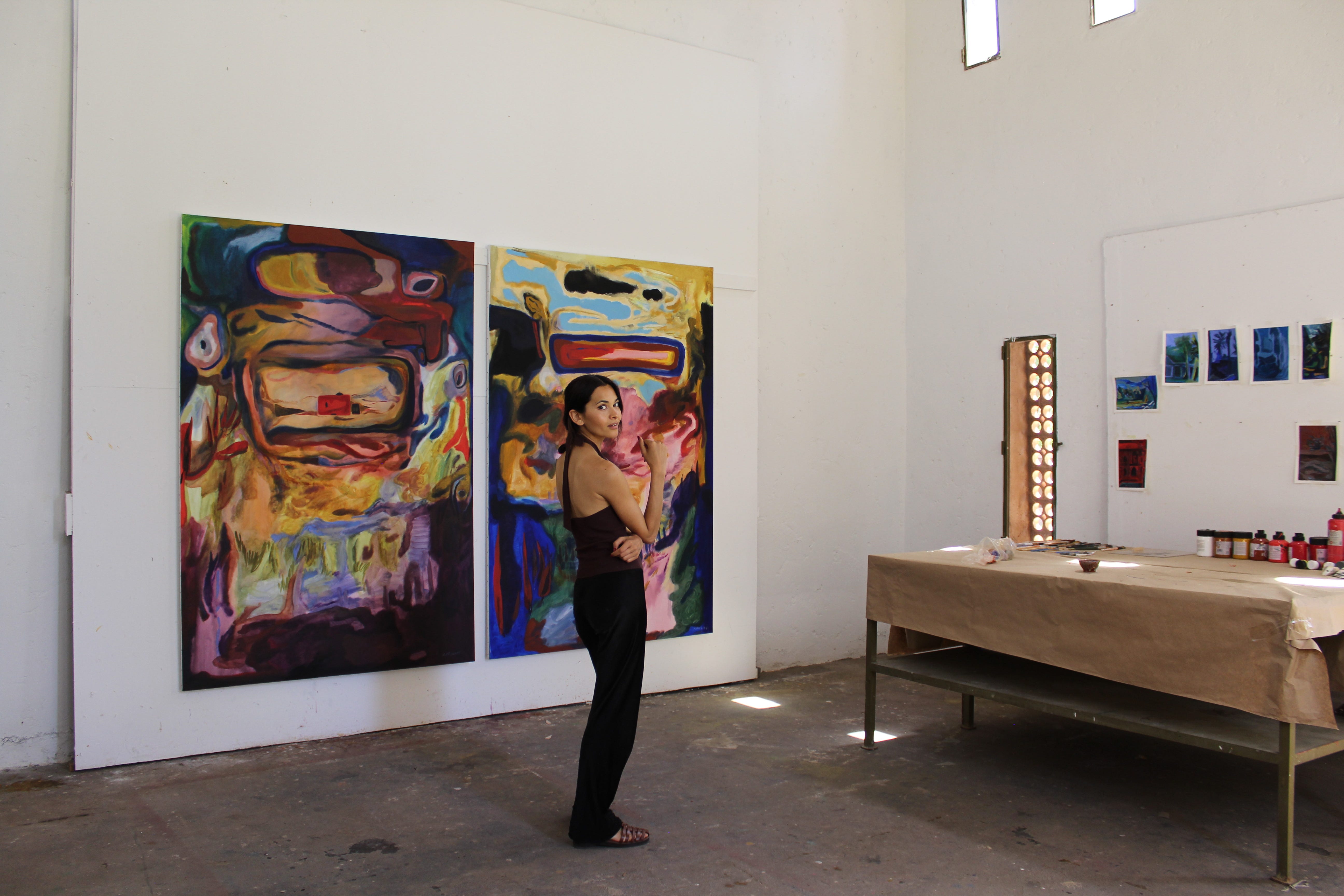
“Essere all’altezza”
Recently I went to an intimate talk with the author Kit de Waal. The intimacy of it deserves an essay of its own.
Today Kit is published by Penguin, her novels are taught on the UK national curriculum, and she travels the world speaking about her work. Looking at her now, it all feels inevitable; success has a nifty way of editing out the years that came before it.
What fascinated me wasn’t where she had arrived, but how she spoke about becoming. At forty-three she decided to write her first novel. After years spent reading the classics, she assumed (in her wonderfully self-deprecating Brummie way) that publication might come quickly. It didn’t, instead it took thirteen years.
As she laughed, so did the room, yet there was nothing naïve about her. She was sharp, funny, hard-headed and formidable. It made me wonder whether what Kit called naivety was actually something closer to possessing faith before visible evidence. Had she known what thirteen years would ask of her, perhaps she would never have begun.
Which reminded me of my dearest soul sister and fellow Gremlin, Sarah, who is half Roman. Months ago she taught me the Italian phrase essere all’altezza: to become equal to what life asks of you. I wrote it down, not knowing when I’d share it with the Gremlins. Today feels like the right day.
I think we often misunderstand what it means to rise. We imagine success arrives in a single moment, as though a book simply appears on a shelf or a career suddenly begins. But nothing appears fully formed; a writer doesn’t simply write a novel, just as a publisher doesn’t simply choose a manuscript. More than 130,000 books are published every year, and behind every one is an invisible architecture of editors, designers, publicists, booksellers and, above all, years of persistence.
As I walked away, I realised how deceptive success can be. From the outside it appears inevitable, almost effortless. From the inside, I suspect it feels much more like becoming: an invisible architecture shaped over years, not by one extraordinary moment, but by thousands of ordinary ones, each quietly adding something to the person who eventually arrives.
One question stayed with me: If a successful life is built this way, what is its smallest unit?
Alan Watts once suggested that a thing is really a think: a unit of thought. It is how we make sense of the world. We divide the continuous flow of reality into things we can recognise, name and hold in the mind.
I began to wonder whether a life is assembled in much the same way.
Perhaps its smallest units are thoughts. Not because a single thought changes a life (it doesn’t), but because thoughts rarely remain thoughts. They become decisions. Decisions, repeated often enough, become habits, habits shape character, and character enlarges our capacity to meet what life asks of us.
We often imagine success transforms a person. I suspect the opposite, because by the time the book reached the shelf, the author had already been written. Thirteen years of persistence, rejection, revision and return had constructed the person capable of writing it.
Perhaps that’s what essere all’altezza means. Not rising above life, nor becoming worthy of a dream, but graduallybecoming equal to what life asks of you.
From The Factory >
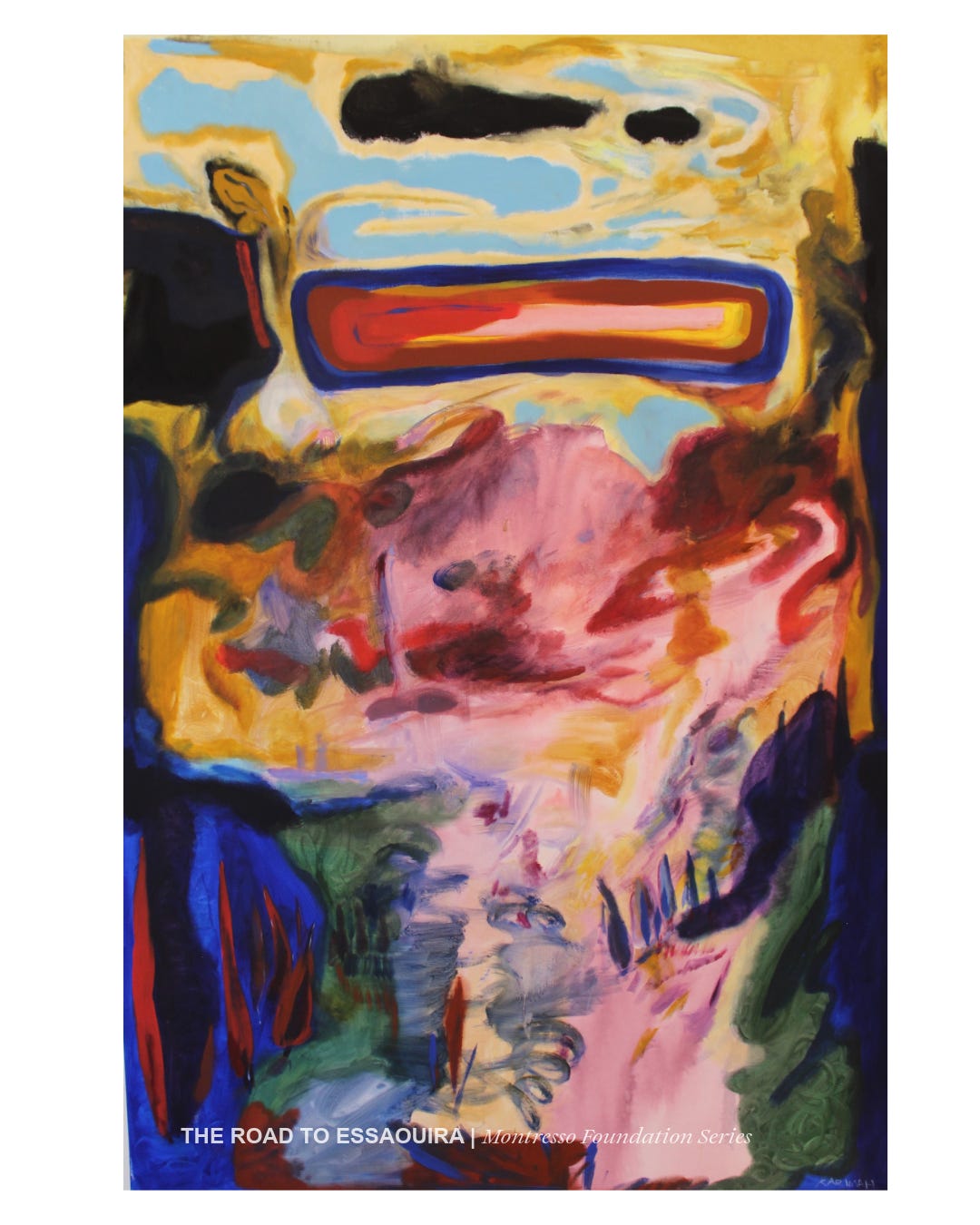
The Road to Essaouira, 2026
211 cm x 140 cm
Acrylic and natural pigment on canvas



Prompts >
JOURNAL:
If someone studied my last thirty days, who would they assume I’m becoming?
ASK SOMEONE:
What habit has changed you more than any single achievement?
CREATIVE ACT:
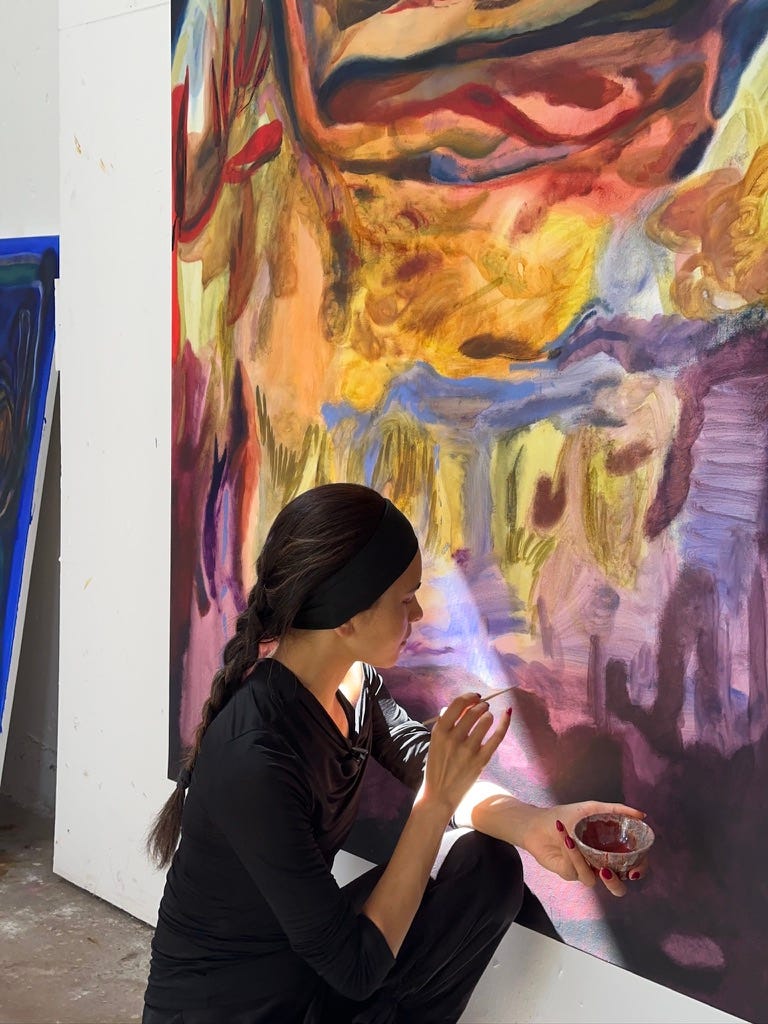
Read or listen to an artist you admire and study what made them.
Musings >
“You are getting rid of the habit of thought in which you define yourself in terms of what you’ve done before, and instead… define yourself in terms of what you’re doing now.”
- Alan Watts“First forget inspiration. Habit is more dependable. Habit will sustain you whether you’re inspired or not… Habit is persistence in practice.”
- Octavia E. Butler“Stories have been used to dispossess and to malign. But stories can also be used to empower and to humanize.”
- Chimamanda Ngozi Adichie